Stay ahead of the curve
Welcome to PinnacleREI's Canadian Real Estate Blog page, your premier source for insights tailored to investors. Navigate the complexities of the Canadian property landscape with our timely analysis, focusing on affordability, market dynamics, and economic factors. We provide the knowledge you need to make informed investment decisions. Based in Peterborough, Ontario, I deliver coast-to-coast coverage.

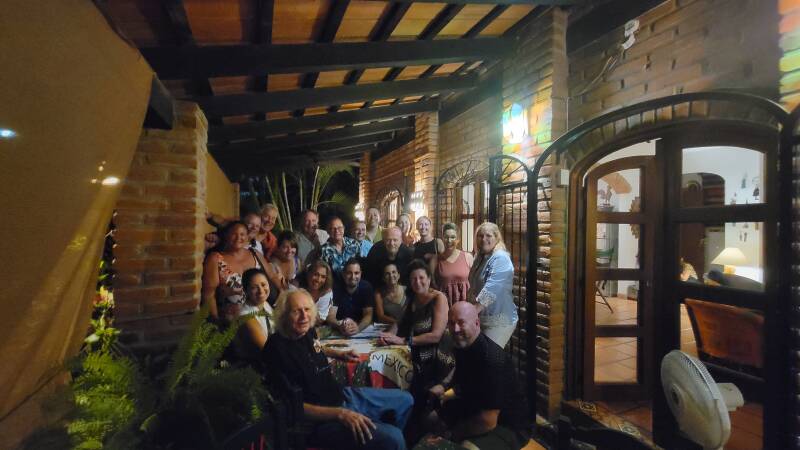
Peterborough Meet-up

Monthly Blog
Understanding DCR: Why This Number Matters to Real Estate Investors
Pinnacle Real Estate Investing | Investor Education Series
When investing in rental properties, one of the most important numbers to understand is the Debt Coverage Ratio (DCR), also commonly referred to as the Debt Service Coverage Ratio (DSCR).
Whether you're purchasing your first rental property, refinancing an existing investment, or expanding into multi-unit buildings, understanding DCR can make the difference between securing financing and having your application declined.
What Is DCR?
In simple terms, DCR measures whether a property's income is sufficient to cover its mortgage payments and other required debt obligations.
Lenders use this calculation to evaluate the property's ability to support its debt without relying entirely on the investor's personal income.
The formula is:
DCR = Net Operating Income (NOI) ÷ Annual Debt Service
- Net Operating Income (NOI): The property's annual rental income minus operating expenses, before mortgage payments, income taxes, and depreciation.
- Annual Debt Service: The total annual principal and interest payments on the property's debt.
The higher the DCR, the greater the property's ability to cover its debt payments.
Let's Look at an Example
Imagine you're considering purchasing a fourplex with the following annual financial performance:
Item
Annual Amount
Gross Rental Income
$96,000
Property Taxes
$10,000
Insurance
$4,000
Maintenance and Repairs
$6,000
Property Management
$8,000
Utilities and Other Expenses
$8,000
Net Operating Income
$60,000
Annual Mortgage Payments
$48,000
DCR = $60,000 ÷ $48,000 = 1.25
This property has a DCR of 1.25.
That means the property generates $1.25 in operating income for every $1.00 required to service its debt.
In other words, it produces 25% more operating income than its annual debt payments.
What Is Considered a Good DCR?
Although lending requirements vary by lender, property type, and financing program, the following provides a general guide:
DCR
What It Means
Below 1.00
Operating income is insufficient to cover debt payments
1.00
Operating income just covers debt payments
1.10
A relatively thin financial cushion
1.20
A stronger position, depending on lender requirements
1.25
A commonly used commercial lending benchmark
1.30–1.50+
Greater debt coverage and financial flexibility
Important: A DCR of 1.25 is not a universal lending requirement. Some Canadian lenders and CMHC-insured financing programs use different minimum ratios and calculation methods.
Why Should Investors Care About DCR?
- Financing Approval
Lenders want confidence that a property can generate enough income to support its mortgage. A stronger DCR may improve your financing options.
- Protection Against Unexpected Expenses
Vacancies, maintenance costs, property tax increases, and insurance premiums can quickly affect profitability. A healthy DCR provides some financial breathing room.
- Refinancing Opportunities
When refinancing an investment property, lenders may examine the property's current income and expenses to determine how much debt it can support.
- Portfolio Expansion
Investors planning to grow from one rental property to several need to understand how debt coverage affects their borrowing capacity.
How Can Investors Improve Their DCR?
There are several ways to strengthen a property's debt coverage:
- Increase rental income: Review rents when legally permitted, improve the property, or consider additional lawful rental units.
- Reduce operating expenses: Review insurance, utilities, maintenance contracts, and property management costs.
- Increase your down payment: A smaller mortgage generally means lower debt payments.
- Review financing options: A different amortization period or interest rate may improve annual debt coverage, although it can increase total borrowing costs.
- Improve operational efficiency: Reduce vacancies, improve tenant retention, and maintain the property proactively.
Remember, increasing rental income does not automatically improve DCR if operating expenses increase at the same rate.
DCR vs. Cash Flow: What's the Difference?
This is where some investors get confused.
DCR measures a property's ability to service debt. Cash flow measures the money remaining after expenses and debt payments.
For example, our fourplex generated:
- Net Operating Income: $60,000
- Annual Mortgage Payments: $48,000
- Remaining Annual Cash Flow: $12,000
That's approximately $1,000 per month before income taxes, capital expenditures, and other costs not already included in the operating expenses.
While a DCR of 1.25 may look attractive to a lender, investors still need to determine whether the remaining cash flow meets their personal investment objectives.
A property can satisfy a lender's DCR requirements and still be a poor investment.
A Canadian Investor Consideration
In Canada, lenders may calculate debt coverage differently depending on whether you're financing a conventional rental property, a commercial multi-unit building, or a property through a CMHC-insured program.
Some lenders adjust rental income for vacancy allowances, use standardized operating expenses, or calculate mortgage payments using a qualifying interest rate rather than the actual contract rate.
This means your calculated DCR may not be the same as the lender's DCR.
Before making an offer, speak with a mortgage professional experienced in investment property financing.
Final Thoughts from Pinnacle
Over my years of investing in real estate and coaching hundreds of investors, one lesson has remained consistent:
A property's purchase price doesn't determine whether it's a good investment. The numbers do.
DCR is one of those numbers every serious real estate investor should understand.
But don't rely on DCR alone. Consider cash flow, cap rate, return on investment, financing costs, capital expenditures, and your overall investment strategy.
Podcasts
Please check out the Podcasts I have been a guest on. I explain how Real Estate Investing can change your life and financial future.
Powerhaus Podcast
I just completed a great podcast with Gabrielle Max Caine of Powerhaus Podcast.
Please check it out.
Podcast Request
Would you like me on your podcast channel? I would be more than happy to discuss this with you. Please contact me for more information.
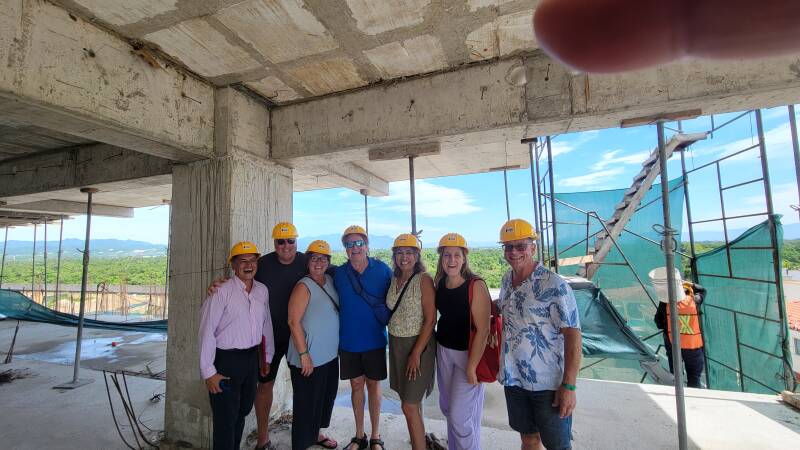
Bucerias Mexico Research Trip 2027
It is very apparent that investors are looking outside of Canada for a profitable vacation rental.
One that can provide a good ROI and that they can also enjoy.
We have limited properties in Canada and certainly a limited time frame to make money on these properties.
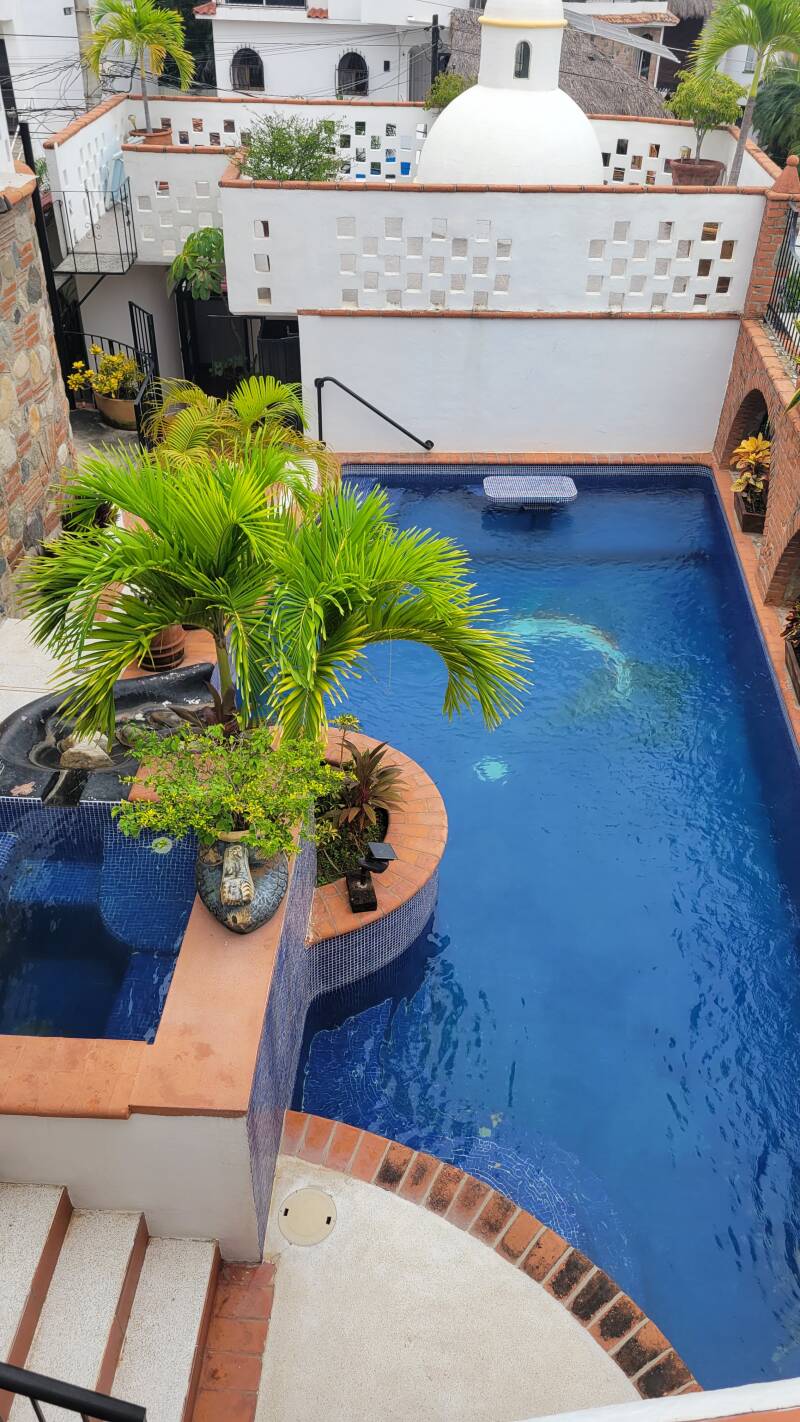
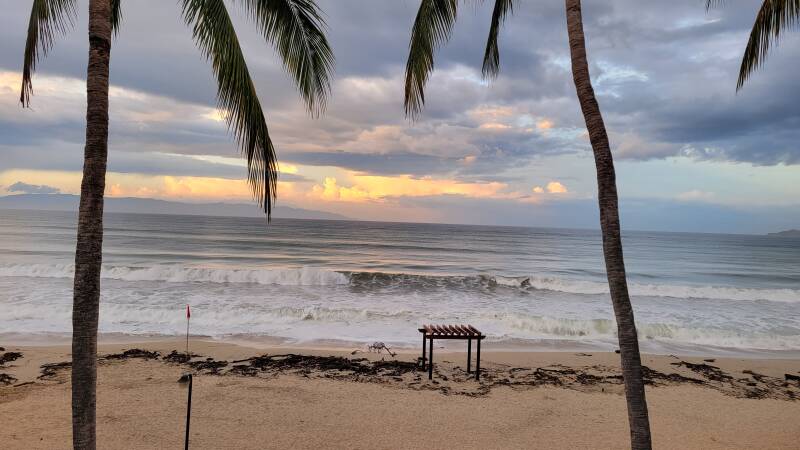
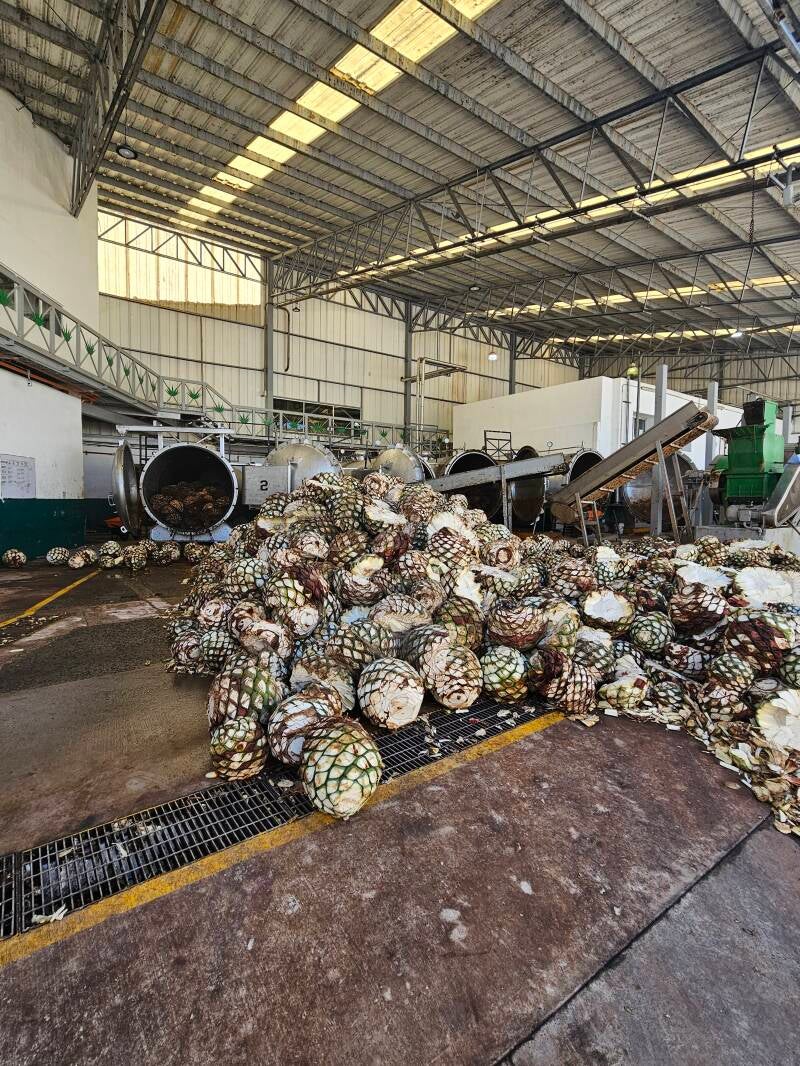
We have been traveling to the town of Bucerias just north of Puerto Vallarta on the Pacific coast of Mexico for several years now and love the area. We just returned from spending the month of Feb enjoying the area and completing our information gathering for the next trip.
This is a location in which many Canadians vacation all winter long from November to April. In the summertime Mexicans like to vacation during their holidays near the ocean as well.
Rental units are always in high demand and owners charge anywhere from $2,000 USD to $9,000 a month depending on the location and amenities of the property.
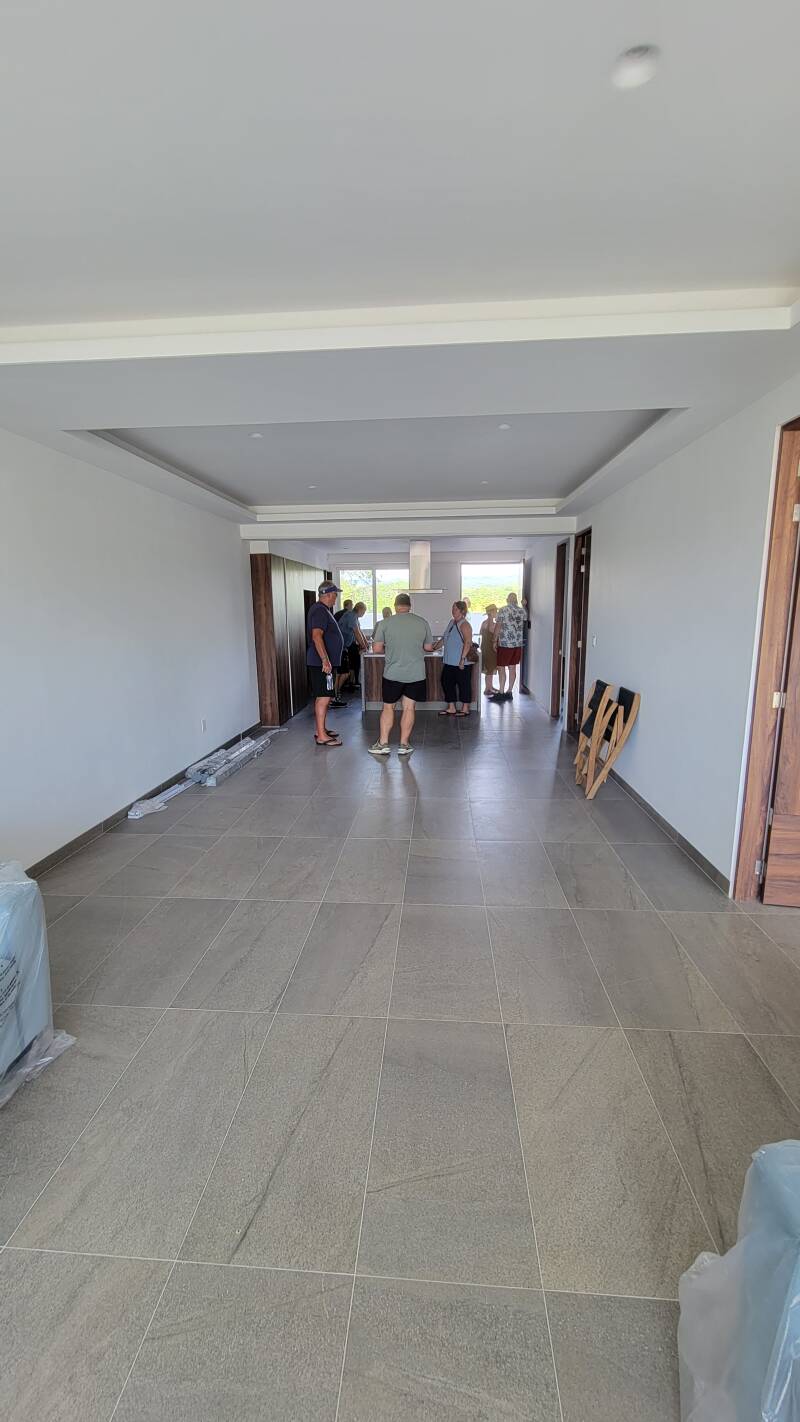
Properties range in price from around $135K USD and up but a nice 2B 2B condo or townhouse can be found for around $300K USD. These prices are much lower than last year. Financing in Mexico is an option but expensive. Most investors use their personal cash or credit line.
Your costs to run this property are about half of what it costs in Canada.
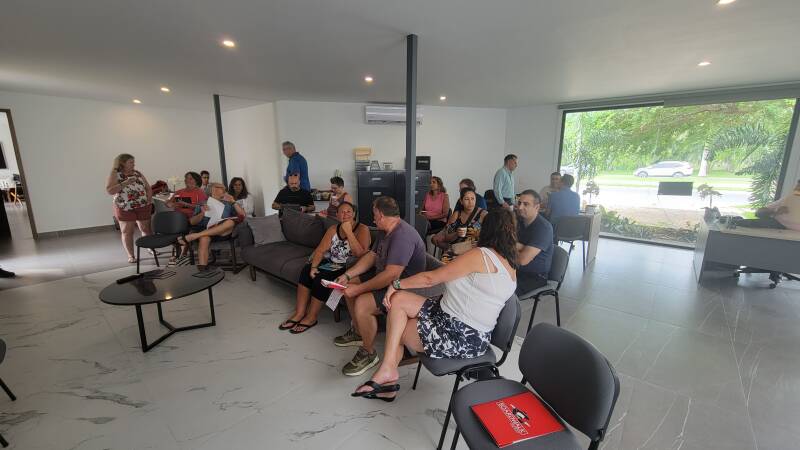
I have put together a team of professionals (Realtor, Property Management, Legal, and healthcare specialist) in Bucerias that will provide training and property visits for a minimum 4 days. I have some sightseeing tours planned and there will be free time for everyone to explore the area.
This trip is planned for around early November 2026. Final details will be provided when enough participants have registered. Ideal attendance is 6 couples or 12 people.
For more info and to register please fill out the form below.